Relocating to a new home is a major life event, and when animals are part of the family, the planning process becomes even more detailed. Moving With Pets long distance requires preparation that goes beyond packing boxes and scheduling movers. Pets rely on routine and familiar surroundings, so travel and environmental changes can be stressful if not handled properly. With the right strategy, however, your relocation can be smooth, safe, and comfortable for both you and your animal companions.
Understanding how pets react to change is the first step. New sounds, long travel times, unfamiliar smells, and altered schedules can lead to anxiety. Planning ahead allows you to reduce uncertainty and maintain a sense of stability throughout the move.
Preparing your pet before moving day
Successful Moving With Pets begins weeks before departure. Early preparation helps animals adjust gradually rather than experiencing sudden disruption. Start by maintaining normal feeding times, walks, and play routines. Avoid introducing drastic changes right before travel.
A visit to the veterinarian is essential. Ensure vaccinations are up to date and discuss travel considerations. If you are relocating across state lines, certain health documentation may be required. Microchip information and identification tags should also reflect your new contact details.
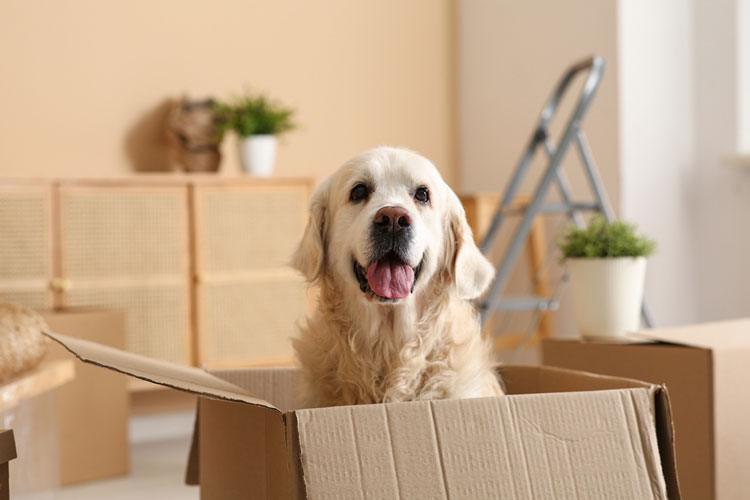
Gradually introduce moving supplies such as boxes and travel carriers so your pet does not associate them with immediate stress. Positive reinforcement and calm exposure help reduce fear responses.
Creating a comfortable travel plan
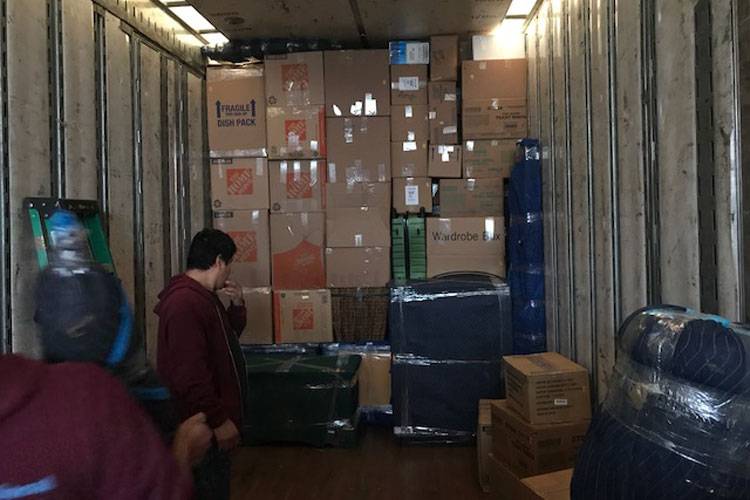
Travel logistics depend on the distance and method of transportation. Whether driving or flying, comfort and safety should guide your decisions. Pets should never be transported in moving trucks or cargo spaces that are not climate controlled.
Key travel considerations include:
- Using a secure, well-ventilated carrier sized appropriately for your pet
- Keeping food, water, and familiar items accessible during stops
- Planning rest breaks for exercise and bathroom needs
Consistency helps pets feel secure. Bring their favorite bedding, toys, or blankets that carry familiar scents. These small comforts can significantly reduce stress.
Reducing anxiety during the move
Animals are highly sensitive to human emotions. Staying calm and speaking in reassuring tones can help your pet remain relaxed. Avoid sudden loud noises or chaotic environments when possible.
During the packing and loading process, keep pets in a quiet room away from activity or ask a trusted friend to watch them temporarily. This prevents overstimulation and reduces the risk of escape.
Maintaining hydration and monitoring your pet’s behavior during travel is crucial. Watch for signs of distress such as excessive panting, pacing, or lethargy. Address issues promptly by providing comfort or taking breaks as needed.
Settling pets into the new home
The adjustment period after arrival is just as important as travel itself. Unpack your pet’s belongings first and set up a familiar resting area. Establish feeding and walking schedules immediately to reinforce routine.
Allow pets to explore gradually rather than giving them full access to the house at once. Start with one room and expand their environment as they grow comfortable. This controlled introduction reduces overwhelm and helps them adapt more smoothly.
Helpful post-move practices include:
- Maintaining previous feeding and exercise schedules
- Offering extra attention and reassurance
- Monitoring for behavioral changes during the transition
Patience is key. Some pets adapt quickly, while others need more time to feel secure.
Special considerations for long-distance relocations
Long-distance moves often involve extended travel times and changes in climate or altitude. Research pet-friendly accommodations if your journey requires overnight stops. Ensure access to veterinary services along your route in case of emergencies.
Hydration, ventilation, and temperature control are critical for long trips. Avoid leaving pets unattended in vehicles, as temperatures can rise or fall rapidly.
Keeping pets safe throughout the process
Safety should remain a priority from departure to arrival. Secure carriers properly in vehicles and avoid letting pets roam freely while driving. Always use leashes or harnesses when outside, especially in unfamiliar areas.
Identification tags with updated phone numbers and your new address provide an additional layer of security. Even well-behaved pets can become disoriented during a move.
How United National Movers supports families with pets
Relocating with animals requires coordination, timing, and careful planning. United National Movers understands the unique challenges of Moving With Pets long distance. Their team works with families to schedule moves efficiently, minimize disruptions, and provide guidance that supports a smooth transition. By handling the logistics of packing, transportation, and delivery, United National Movers allows pet owners to focus on keeping their animals comfortable and stress-free during relocation. Call for a free estimate at 888-890-5660
Frequently Asked Questions
How early should I start preparing my pet for a long-distance move?
Begin preparation at least a few weeks in advance so pets can adjust gradually to travel carriers and schedule changes.
Is it safe for pets to travel in moving trucks?
No, pets should travel with you in a climate-controlled vehicle to ensure safety and comfort.
How long does it take pets to adjust to a new home?
Adjustment varies by animal. Some adapt within days, while others may take weeks to feel fully comfortable.
What should I pack in a pet travel kit?
Include food, water, bowls, medication, identification, leash, bedding, and familiar toys for comfort.