
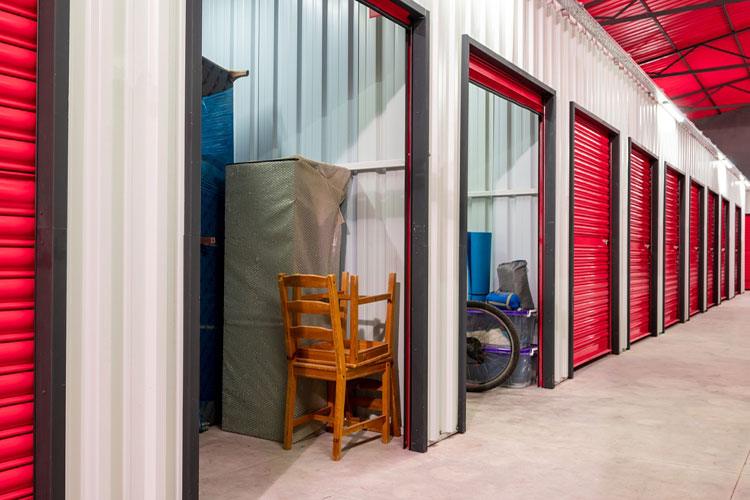
Long-distance moves rarely happen in a perfect straight line. Closing dates shift, lease start times overlap (or don’t), renovations run late, and job start dates change with little warning. In many cases, your belongings have to “wait” somewhere between Point A and Point B—and that’s where choosing the right storage solution becomes a major part of planning.
But not all storage is equal. Some options are designed for quick transitions, while others are better for long-term holding. Costs can also vary widely depending on how your items are stored, how accessible they are, and how far the storage facility is from your pickup and delivery locations. If you’re planning a move across state lines, understanding storage options during long-distance moves can help you avoid expensive surprises and protect your household goods.
This guide breaks down the most common storage types, what to look for when comparing providers, and the cost implications that can impact your moving budget.
Why Storage Becomes Necessary in Long-Distance Moves
Long-distance relocation involves more steps and more timing variables than a local move. Storage is often needed for reasons such as:
-
Delayed home closing or construction timeline changes
-
Temporary housing between homes
-
Apartment availability gaps
-
Weather-related delivery delays
-
Moving in phases (shipping part now, part later)
-
Downsizing without immediate final placement
In any of these scenarios, the right storage setup gives you flexibility without risking damage, loss, or ongoing fees you didn’t plan for.
Types of Storage Options for Long-Distance Moves
When comparing storage options during long-distance moves, you’ll usually see three main categories. The “best” one depends on how quickly you need your items and how much access you want during storage.
Temporary In-Transit Storage (Short-Term Holding)
This is commonly used when your move-out date is fixed, but your move-in date is still uncertain. The mover picks up your items, holds them securely, then delivers them once your new location is ready.
Best for:
-
Short gaps (a few days to a few weeks)
-
Situations with firm delivery estimates but not exact dates
-
Customers who want one provider handling the full move
Key benefit:
Your belongings stay in the moving company’s control, limiting handling and reducing risk.
Warehouse Storage (Moving Company Facility)
Warehouse storage places your shipment into a secured facility, often in a labeled storage vault, palletized area, or container system managed by the mover.
Best for:
-
Medium-term storage (weeks to months)
-
People who don’t need frequent access
-
Moves involving multi-state logistics
Key benefit:
Professional storage standards, inventory tracking, security systems, and streamlined final delivery planning.
Self-Storage Units (Local Facility)
Self-storage can work if you want direct access to your items during storage or if you’re storing only a partial shipment (such as overflow items, furniture, or seasonal belongings).
Best for:
-
Customers needing frequent access
-
Downsizing or staging a home
-
Storing items not traveling with the main move
Key benefit:
Access on your schedule (depending on facility hours) and the ability to control what goes in/out.
What to Look for When Choosing Storage
Storage is not just about where items sit—it’s about protection, accountability, and predictable pricing. Here’s what matters most.
Climate Control and Humidity Management
Climate control is strongly recommended if you’re storing:
-
Wood furniture
-
Leather
-
Electronics
-
Artwork
-
Vinyl records
-
Paper documents
-
Mattresses
Temperature swings and humidity can cause warping, mold, cracking, and material breakdown—especially in long-term storage.
Tip:
If climate control is not included, ask about humidity controls or dehumidification.
Security and Facility Standards
At minimum, look for:
-
24/7 camera surveillance
-
Controlled access / gated entry
-
Unit alarms (where applicable)
-
Fire protection systems
-
Professional pest prevention
-
Inventory labeling and tracking (warehouse storage)
Security is one of the biggest differentiators between low-cost storage and high-quality storage.
Insurance Coverage and Liability Policies
Storage insurance can be misunderstood. Many customers assume “it’s covered,” only to discover the default coverage is limited.
Ask these questions:
-
Is valuation coverage included during storage?
-
Does coverage change once items are off the truck?
-
What is the deductible?
-
Are high-value items covered the same way?
-
Can you buy additional protection?
If you store valuable items (TVs, computers, designer furniture), it may be worth increasing coverage.
Accessibility and Retrieval Rules
Self-storage gives you access, but warehouse storage often doesn’t allow easy retrieval.
Before committing, clarify:
-
Can I retrieve one item before final delivery?
-
Is there a minimum notice period?
-
Are there labor fees for partial pulls?
-
What hours is access available?
Some warehouse programs allow retrieval, but they may charge handling fees.
Cost Implications: What You’re Really Paying For
Understanding pricing is essential because storage costs can creep upward month after month.
Monthly Storage Rates
Storage may be billed:
-
Per cubic foot
-
Per container/vault
-
As a flat monthly rate (self-storage unit)
Warehouse storage often charges based on shipment size, while self-storage charges by unit size.
Handling Fees (A Major Hidden Cost)
Storage connected to moving typically includes additional labor such as:
-
Unloading into storage
-
Wrapping/protecting items
-
Inventory logging
-
Reloading for delivery
Ask about:
-
Storage-in fees
-
Storage-out fees
-
Redelivery fees
-
Re-handling charges
Even if monthly storage seems affordable, these handling fees can significantly impact the overall cost.
Delivery Window Flexibility vs. Guaranteed Delivery
Some long-distance move programs provide delivery windows instead of exact dates. If your storage plan requires exact timing, you may pay extra for:
-
Guaranteed delivery
-
Dedicated truck options
-
Expedited delivery scheduling
If your timeline is uncertain, storage may be cheaper than trying to force an exact arrival date—but storage and handling must be accounted for upfront.
Length of Storage and Billing Terms
Storage contracts can include:
-
Pro-rated billing (ideal)
-
30-day increments (common)
-
Minimum storage periods (sometimes 2–4 weeks)
Always ask how billing is calculated and whether early removal reduces your cost.
How to Choose the Best Option for Your Move
When selecting among storage options during long-distance moves, consider these decision points:
If you need flexibility and convenience:
Choose moving company warehouse storage or in-transit storage.
If you need regular access to your items:
Choose self-storage.
If you’re storing valuable or sensitive items:
Choose climate-controlled storage with strong security and clear valuation coverage.
If you’re budget-focused:
Compare total costs (handling + delivery + monthly), not just the monthly rate.
For professional long-distance moving support with coordinated storage solutions, contact United National Movers at 888-890-5660
Frequently Asked Questions
What are the most common storage options during long-distance moves?
The most common options include in-transit temporary storage, moving company warehouse storage, and self-storage units. The right choice depends on how long you need storage and whether you need access to your items.
Is climate-controlled storage worth the extra cost?
Yes—especially for wood furniture, electronics, documents, and mattresses. Climate control reduces the risk of moisture damage, mold, and warping during extended storage periods.
Do movers charge extra fees for storing belongings?
Often yes. Many storage programs include handling fees for unloading into storage and reloading for delivery, plus monthly charges. Always ask about storage-in/storage-out fees and redelivery charges.
How can I reduce storage costs during a long-distance move?
The best strategies include downsizing before moving, storing only essentials, comparing all-in costs (not just monthly fees), and choosing storage providers with pro-rated billing rather than fixed 30-day terms.